Arrow Left

How Regular Plumbing Help Prevent Water Damage

Introduction

Water leaks aren’t always obvious. A dripping faucet may be easy to notice, but hidden leaks inside walls, under floors, or behind appliances can go undetected for months. These leaks not only waste water but can cause structural damage, mold growth, and expensive repairs

In this article, we’ll show you the warning signs of hidden leaks, practical detection methods, and how to prevent long-term damage
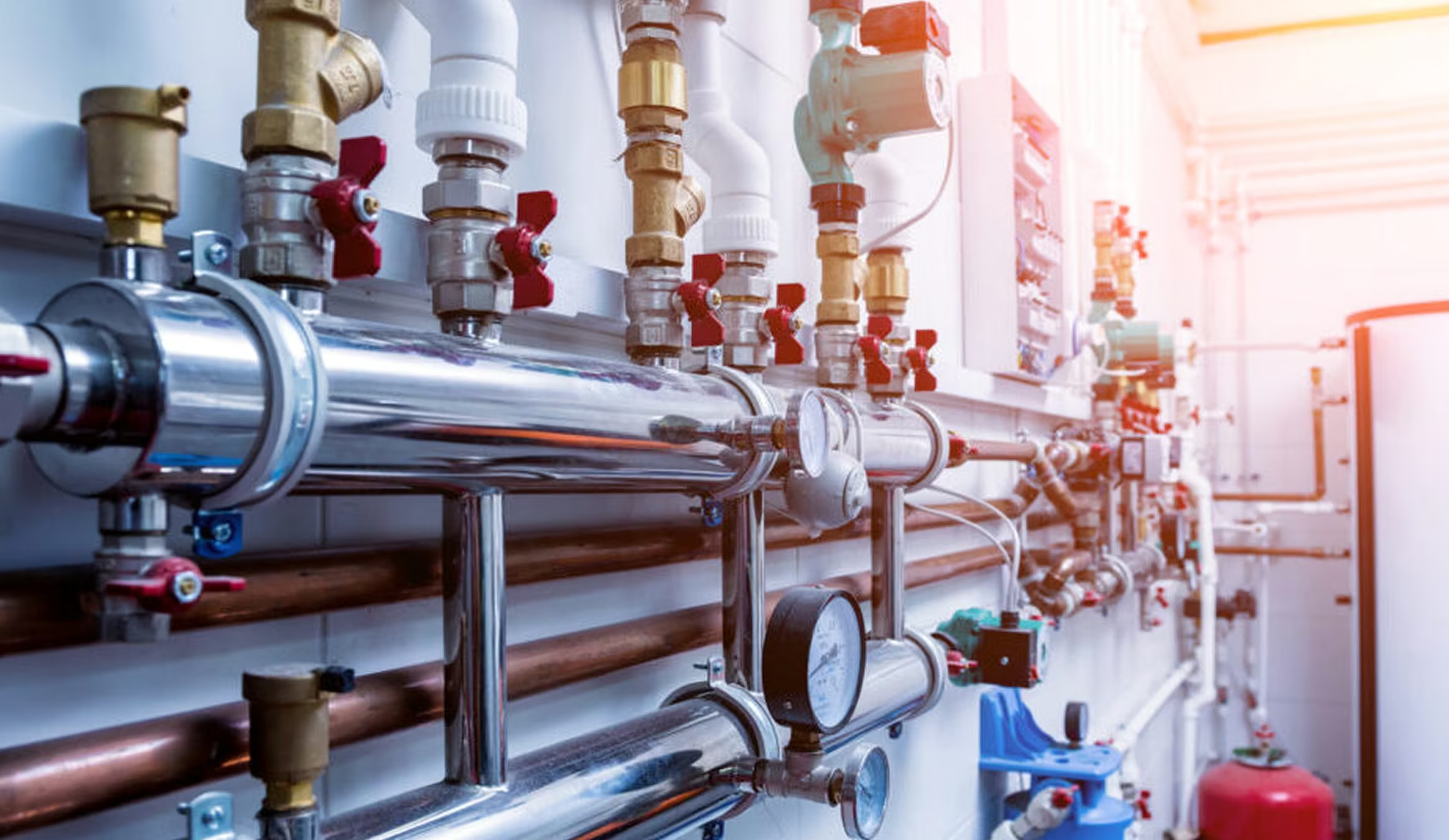
Why Hidden Leaks Are Dangerous

  • Structural Damage: Leaks can weaken walls, ceilings, and flooring over time.
  • Mold & Mildew Growth: Damp areas create the perfect environment for mold.
  • Increased Water Bills: A small unnoticed leak can waste thousands of gallons each year.
  • Health Risks: Mold spores can lead to allergies and respiratory issues.

Signs You May Have a Hidden Leak

  • Unexplained Increase in Water Bills: If your usage hasn’t changed but bills are higher, a leak may be the cause.
  • Musty or Damp Smell: Persistent odors are often linked to mold from hidden leaks.
  • Peeling Paint or Bubbling Wallpaper: Moisture trapped behind walls shows up as surface damage.
  • Water Stains on Ceilings or Walls: Brownish spots are a clear indicator of water intrusion.
  • Low Water Pressure: Leaks in pipes reduce overall pressure at faucets and showers.

How to Detect Hidden Water Leaks

  • Turn off all faucets and appliances. If the meter still runs, you may have a leak.
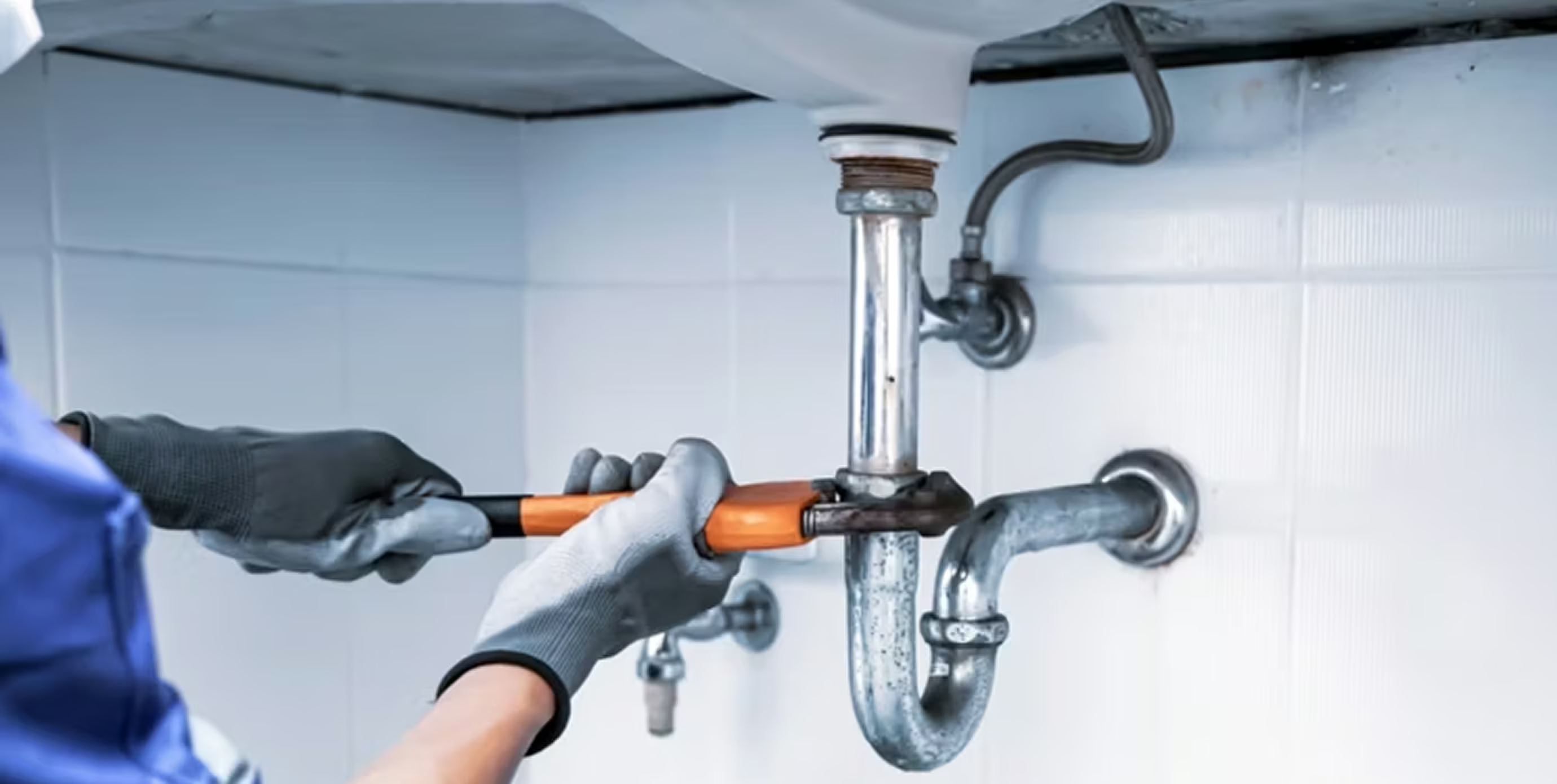
  • Look under sinks, behind toilets, and around dishwashers/washers.
  • Add a few drops in the tank; if color seeps into the bowl, there’s a leak.
  • Infrared cameras and moisture meters can pinpoint hidden leaks.

Conclusion

Hidden leaks are a silent threat to your home’s safety and your wallet. By recognizing the signs early and investing in proper leak detection, you can prevent costly repairs and maintain a healthy living space.

If you suspect a hidden leak, don’t wait—professional help can save you thousands in damages.